
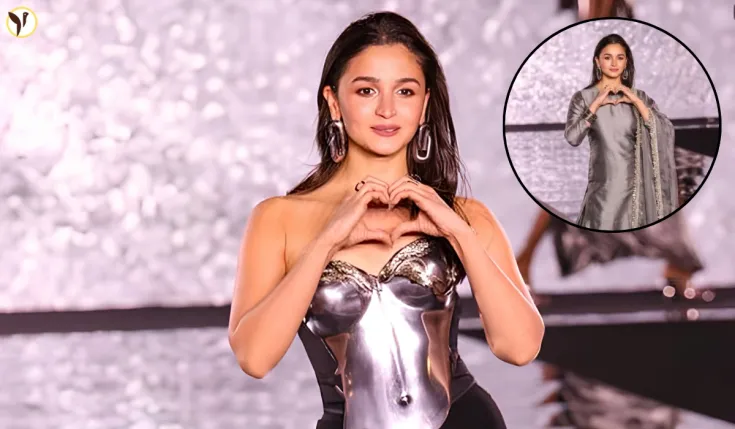

A Pakistani clothing brand is currently facing strong online criticism after it reportedly shared AI-edited images of Bollywood actor Alia Bhatt to promote its clothing collection. The images made it look like Alia Bhatt had personally modeled for the brand, but later it became clear that the visuals were not from any real photoshoot.
This incident quickly spread across social media and turned into a wider discussion about AI-generated images, celebrity consent, and how far brands can go while using digital tools for promotion.
How a Promotional Post Turned Into a Viral AI Image Debate
The controversy began when a clothing label, reportedly named Wajayesha Official, shared promotional images showing Alia Bhatt wearing outfits from its silk suit collection.
The images spread rapidly across platforms because people initially believed it was a real collaboration. Many users shared the post, thinking Alia Bhatt had modeled for the brand.
However, social media users soon noticed something unusual. The images did not match any known photoshoot of the actress. After closer observation, many pointed out that the visuals appeared to be AI-edited or digitally altered. Once this became clear, the post started gaining massive attention for the wrong reasons.
Why People Are Angry Over the Viral AI Image Controversy
The main reason for public backlash is the use of a celebrity’s face without permission. Even though AI made the images possible, users feel the situation crosses an ethical line. There are a few key concerns people are raising:
- It looks like a real endorsement, even if it is not
- It uses a celebrity’s identity without approval
- It can mislead customers into trusting a false advertisement
- It sets a worrying example for how AI is being used in marketing
For many people online, this is not just about one brand or one post. It is about how easily digital tools can now create realistic but misleading content.
No Reaction From Alia Bhatt or Her Team Yet
As of now, there is no confirmed public statement from Alia Bhatt or her team regarding this issue. There are also no verified reports of any legal action being taken.
At this stage, the matter remains an online controversy based on public reactions rather than an official legal case.
However, discussions around possible action, digital rights, and misuse of celebrity images continue to grow online.
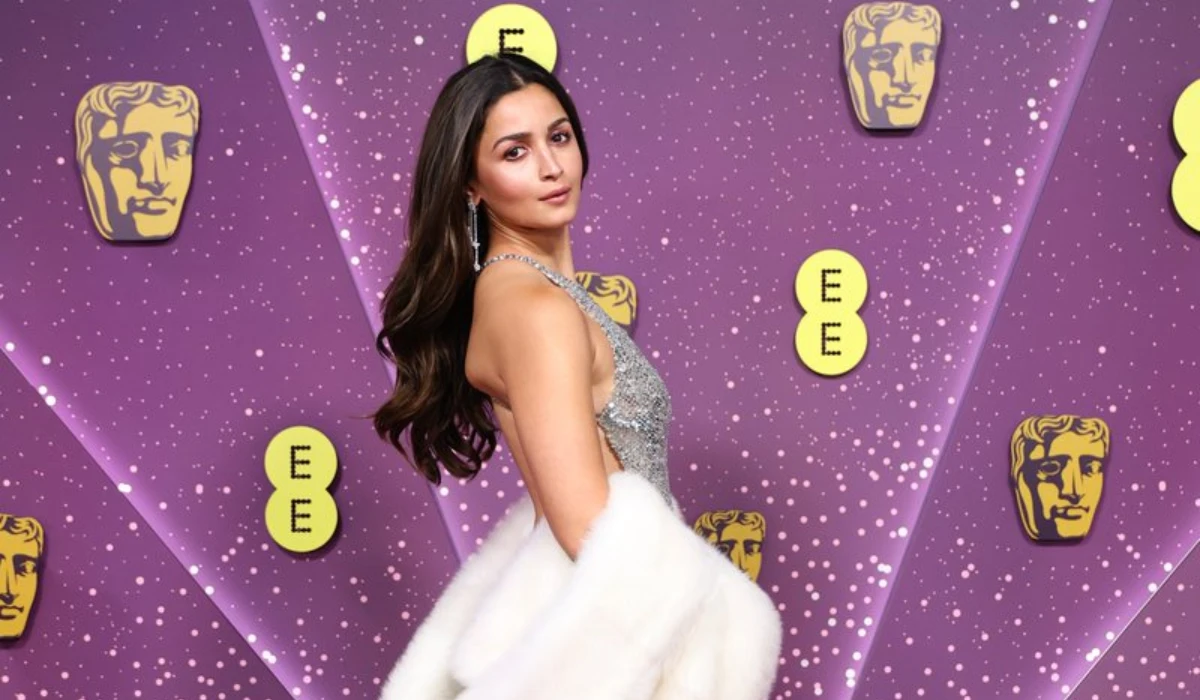
The Real Issue: AI-Generated Content and Lack of Consent
This incident has sparked a much larger debate about how AI is changing advertising and social media content.
AI tools can now generate highly realistic images in seconds. While this is useful for creativity and design work, it also creates new risks when used without permission.
In cases like this, the line between real and fake becomes unclear. A viewer may not be able to immediately tell whether a celebrity actually participated in a shoot or if the image was digitally created.
That is why consent has become such an important topic in this discussion. Using someone’s face in marketing without approval raises questions about identity rights and trust.
Why This Controversy Is Spreading So Quickly Online
This controversy is not just about entertainment news. It connects directly to a growing global issue: the rise of AI-generated content and its impact on real people.
Celebrities are especially affected because their images are widely recognizable. When those images are used in ads without permission, it can create confusion and damage trust between brands and audiences.
For readers, the story highlights how quickly AI content can spread and how difficult it can be to control once it goes viral.


