
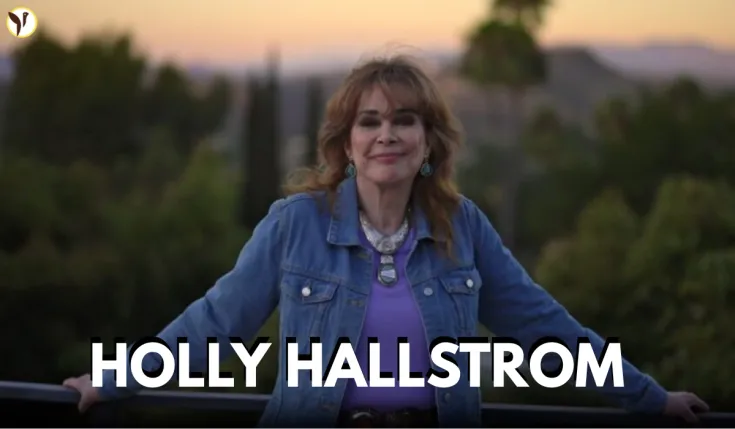

After staying quiet for over two decades, Holly Hallstrom is finally sharing her side of the story through a new documentary that revisits her controversial exit from The Price Is Right. Once a familiar face guiding contestants to big wins, Hallstrom now opens up about her 1995 firing, the legal battle that followed, and the intense backstage pressures she says defined her final years on the show. The revelations are bringing renewed attention to one of daytime television’s most talked-about disputes involving Bob Barker.
From fan-favorite model to sudden exit
For nearly 18 years, you watched Hallstrom as part of the iconic “Barker’s Beauties.” She joined the show in 1977 and quickly became one of its most recognizable personalities. Her natural presence and easy interaction with contestants made her stand out in an era when the show dominated daytime TV.
But by the early 1990s, things started to change behind the scenes.
Key highlights from her early career:
-
Joined The Price Is Right at age 23
-
Became one of the longest-serving original models
-
Known for her signature showcase wave
-
Built strong viewer connection over nearly two decades
The 1995 firing that changed everything
Hallstrom claims her dismissal was linked to repeated pressure about her appearance, particularly her weight. According to her account, warnings began around 1993 and became more direct over time.
In December 1995, she was removed from the show.
On the other side, Barker maintained that the decision was based on professional standards required for on-screen roles. He stated that producers handled employment decisions, while he focused on overall show quality.
What led to the lawsuit:
-
Appearance-related warnings over two years
-
Alleged pressure to lose weight
-
Sudden termination in 1995
-
Replacement by a younger model
A decade-long legal battle
The dispute moved from the studio to the courtroom. In 1997, Hallstrom filed a wrongful termination lawsuit against CBS and Barker. What followed was a prolonged legal fight that lasted nearly 10 years.
Timeline of major events
|
|
|
|
|
|
|
|
|
|
|
|
|
|
|
|
|
|
|
|
|
|
|
|
|
|
|
|
Parallel controversies that shaped the show’s image
Hallstrom’s case wasn’t the only one raising concerns at the time. Another model, Dian Parkinson, had earlier filed a separate lawsuit, adding to the scrutiny around the show’s working environment.
Together, these cases highlighted a larger issue:
-
Strict appearance expectations for models
-
Limited job security in TV roles
-
Power imbalance between talent and producers
At the time, these conversations were rarely public. Today, they are central to how audiences evaluate media workplaces.
What the new documentary reveals
The latest documentary gives Hallstrom a platform to share her experience in detail. She talks about the emotional impact of losing her job, the pressure she faced, and how the legal battle shaped her life beyond television.
Key revelations from her interview:
-
Regular discussions about maintaining “TV image”
-
Emotional stress after leaving the show
-
No return to television industry
-
Continued respect for Barker despite legal dispute
Her tone remains measured, focusing more on sharing her experience than revisiting conflict.
How The Price Is Right evolved after her exit
After Hallstrom left, the show underwent noticeable changes. Several long-time models exited, and a new generation took over. The presentation style also shifted toward a more structured format.
Changes viewers noticed:
-
New, younger lineup of models
-
More choreographed on-screen interactions
-
Less spontaneous presentation style
Despite these changes, the show continued to maintain strong ratings and remained a staple of daytime television.
Why this story is gaining attention again
This isn’t just about revisiting a past controversy. It reflects how audiences today are more interested in the real stories behind popular shows.
You’re no longer just watching entertainment. You’re also asking questions about how that entertainment is created and what happens behind the scenes.


