
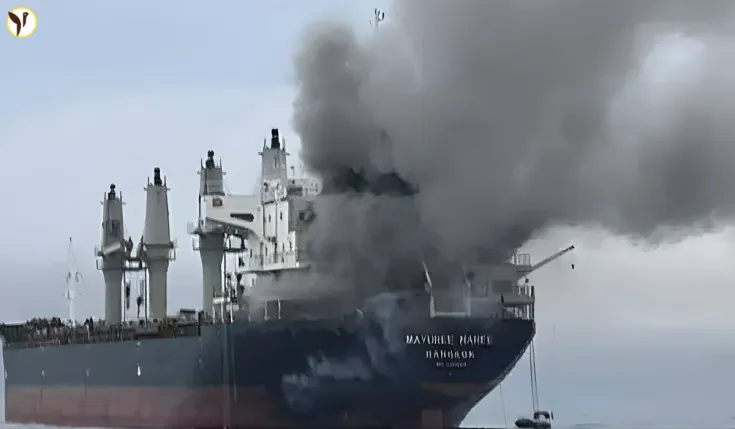

That's the scene in the Strait of Hormuz today, March 27, 2026. Iran's Revolutionary Guards just pushed back three big container ships, saying no passage for anyone tied to America or Israel. This isn't just talk – it's a real standoff shaking energy markets and sparking fears of higher gas prices everywhere.
Tensions boiled over after U.S. and Israeli strikes killed Iran's top leader weeks ago. Iran hit back with missiles, then choked this vital sea lane. President Trump called it lies when he said the strait was open. Guards proved him wrong by forcing those vessels to turn around.
What Happened in Strait of Hormuz Today – March 27 Timeline
Early morning on March 27, three container ships from different countries tried to slip through. They aimed for ports Iran doesn't like. IRGC Navy boats warned them via radio: turn back or face fire. The ships obeyed and retreated. Guards shared the story on their Sepah News site, mocking U.S. claims.
This fits a pattern. Since late February, Iran has hit 21 merchant ships, mostly linked to foes. Traffic plunged from busy to almost empty. Tankers wait outside, crews nervous. Today marks the boldest test since Trump pushed his deadline to April 6 for Iran to reopen or lose oil sites.
Why this spot? Hormuz squeezes between Iran and Oman, just 21 miles wide at narrowest. It carries 20 million barrels of oil daily – think fuel for your car, plane flights, factory machines. Block it, and prices spike worldwide.
IRGC Warning: "Harsh Response to Any Movement" – Full Details
Guards didn't mince words. "Route closed to vessels to or from enemy ports," they posted. That's code for U.S., Israel, and allies. Friendly nations like India, Turkey, Saudi got passes earlier. On March 26, Iran okayed ships from five buddies, keeping oil flowing their way.
Foreign Minister Abbas Araghchi repeated: open for most, shut for enemies. But shipping firms aren't risking it. Over 2,000 vessels idle nearby, per UN maritime boss. Some reroute around Africa, adding weeks and millions in costs.
Trump fired back yesterday, calling Iran stubborn. He extended his threat, buying time but rattling stocks. Markets dipped as traders bet on $100+ oil barrels soon.
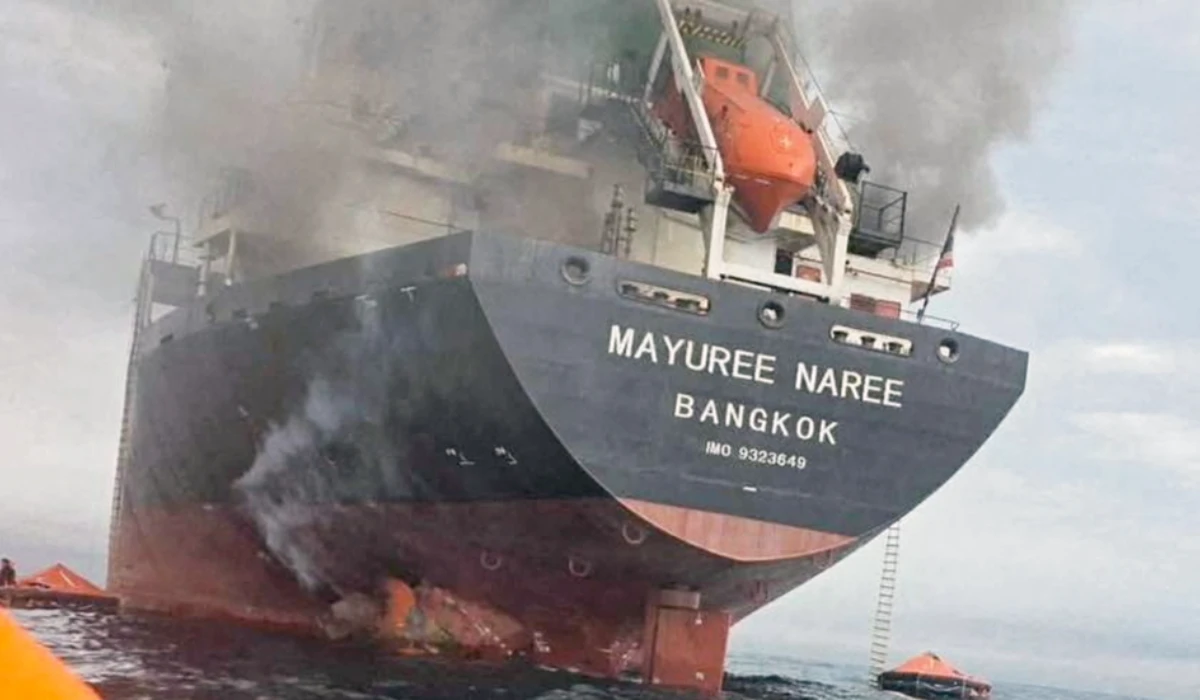
Why Iran Strait of Hormuz Blockade Hurts Global Oil Supply
Oil isn't just numbers – it's your daily life. Hormuz handles 20% of world crude, plus huge LNG gas. Close it partially, and prices jump 10-20% overnight. India, China, Europe feel it first; they import tons from Gulf.
Past crises teach lessons. In 2019, Iran grabbed a British tanker; prices rose 4%. Now, with war drums, experts predict $120 oil by April. Refineries scramble, drivers pay more at pumps
Fun fact for kids: Oil from here powers cartoons on TV and lights in your room. If ships stop, factories slow, toys get pricier. Imagine no new bikes because boats can't deliver metal!
Ships Waiting: 2,000 Vessels Stuck Near Hormuz – Live Count
Picture a giant parking lot at sea. Windward tracking shows 2,000 ships lined up. Captains weigh risks: pass and pray, or detour via Cape of Good Hope, burning extra fuel.
GCC chief Jasem al-Budaiwi says Iran charges "tolls" now – fees for safe passage. Friendly flags pay less or nothing. U.S. Navy shadows but hasn't forced through yet.
On March 13, a Turkish vessel got green light. Indian gas carriers followed. But today's three turn-backs signal tightening rules.
US President Trump Reaction to Iran Hormuz Ship Block
Trump tweeted: "Iran lies again! Strait open as gift, they slam door." He claims 10 tankers passed earlier. Guards call bluff.
Deadline shift to April 6 gives talks a shot. U.S. carriers lurk nearby, ready if needed. Allies urge calm; Europe pushes diplomacy.
Insider view: Trump's reelection flexes muscle, but full war risks recession. Voters hate $5 gas.
World Leaders Respond to March 27 Hormuz Incident
China: "Respect navigation rights." They buy Gulf oil big-time.
India: Quiet relief as their ships passed March 26. Energy security top worry.
EU: Calls emergency meet. Sanctions loom if blockade worsens.
Saudi: Pumps extra oil via Red Sea, easing pinch.
Kids' angle: Leaders like superheroes arguing over a bridge. One side blocks toys (oil), others yell "share!" Who wins? Stay tuned.
Economic Impact: Oil Prices Surge After Iran Ship Turn-Back
Stocks tumbled March 27. Dow down 2%, oil up 5% to $92.
Airlines ground flights? Maybe. Food prices climb as shipping costs soar. Your burger bun? Wheat from afar.
Long-term: Renewables boom if oil stays high. EVs cheaper to run.
History of Strait of Hormuz Conflicts – Quick Lessons
1980s Tanker War: Iran-Iraq fought, sank hundreds. U.S. convoyed ships.
2019: Iran seized tankers amid sanctions.
2026: Deadliest yet, tied to leader's killing.
Maps help: Hormuz links Persian Gulf to Arabian Sea. Block it, Gulf oil trapped.
Friendly Nations Get Hormuz Passage – India, Turkey Safe
March 26 greenlit five countries. India’s tankers carried 1M barrels home.
Strategy smart: Iran isolates U.S.-Israel, woos Asia. Keeps some cash flowing.
भारत की नइया पार 🚢 #shorts #straitofhormuz #iranwar #americairanwar #oilshortage pic.twitter.com/bEh3jHbE8F
— Daily Talks Poetry (@DailyTalksPoems) March 27, 2026
What If Full Hormuz Closure? Worst-Case Scenarios
No ships: Oil to $200. Gas $10/gallon. Planes grounded, trucks idle. Economies shrink 5%.
U.S. strikes Iranian ports? Escalation to world war.
Hope: Diplomacy. UN talks tomorrow.
Expert Views on Iran-US Hormuz Standoff Future
Analyst Rebecca Gerdes: "First major test post-Trump boast."
Maritime CEO: "Reroutes cost $1M per trip."
Peace odds: 60% short-term, per think tanks.


